What Is Bonsai? – Meaning, Origin, and Basics for Beginners
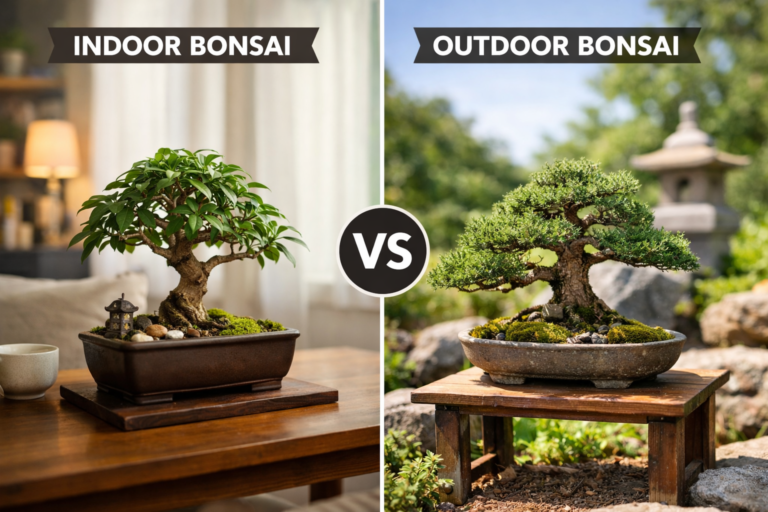
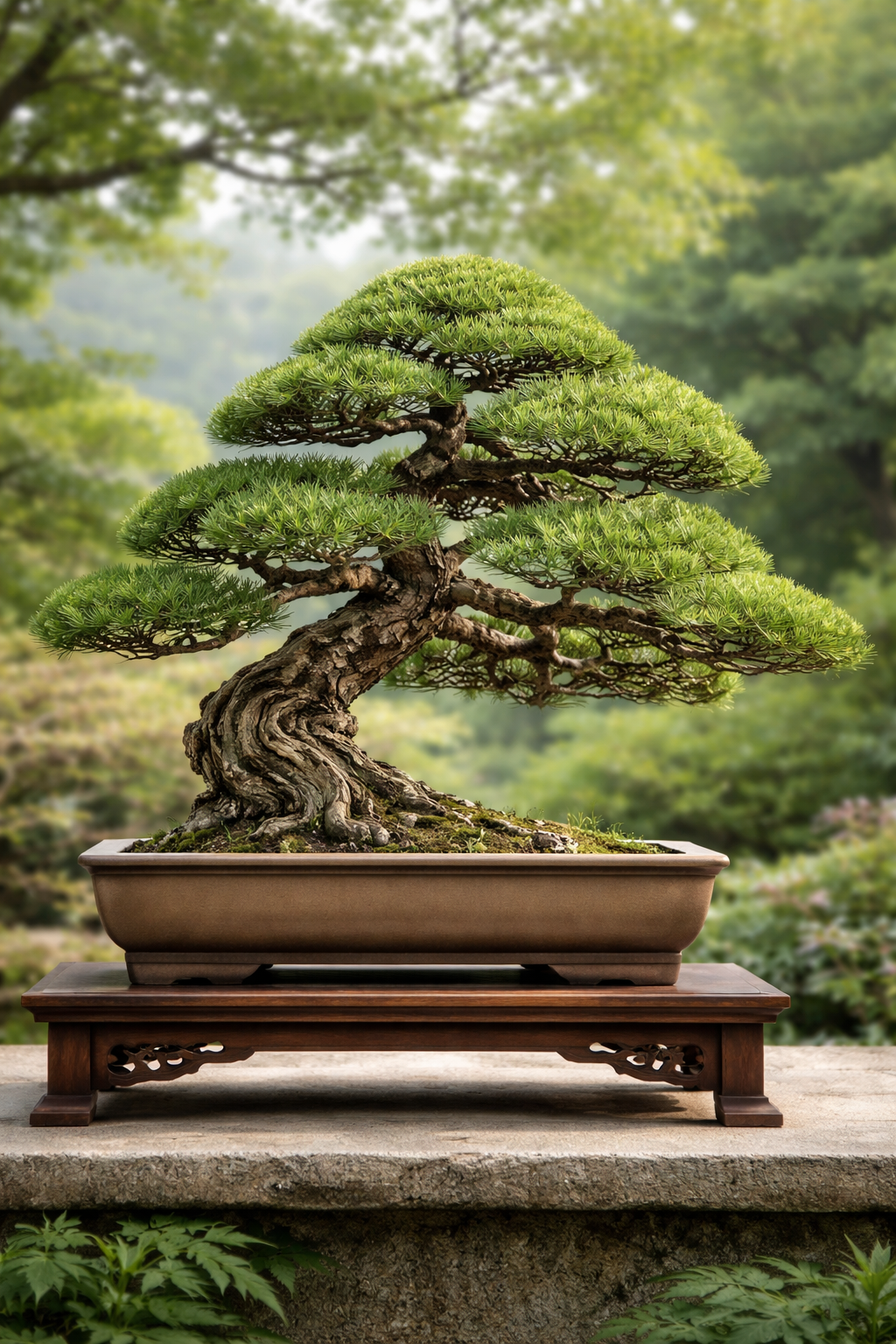
Bonsai is not a plant; it is an art of growing trees in miniature form. It is a horticultural art that involves growing and training a plant in a miniature form while giving it the natural appearance of an old tree found in nature. The beauty of bonsai lies in creating a sense of age, balance, and harmony in a small living tree.
Origin of Bonsai:
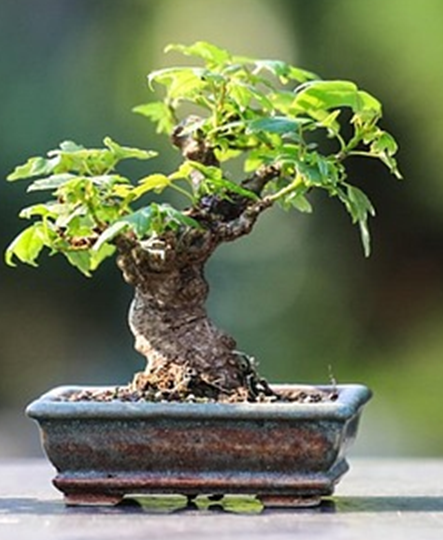
The art of bonsai originated in China many centuries ago. Later, it was developed and refined in Japan, where it gained artistic structure and cultural importance. Because of this, bonsai is commonly referred to as a Japanese art today. One of the most fascinating aspects of bonsai is the use of extreme dwarfing techniques, which control the growth of the plant without affecting its natural.
Size and Age of Bonsai Trees:
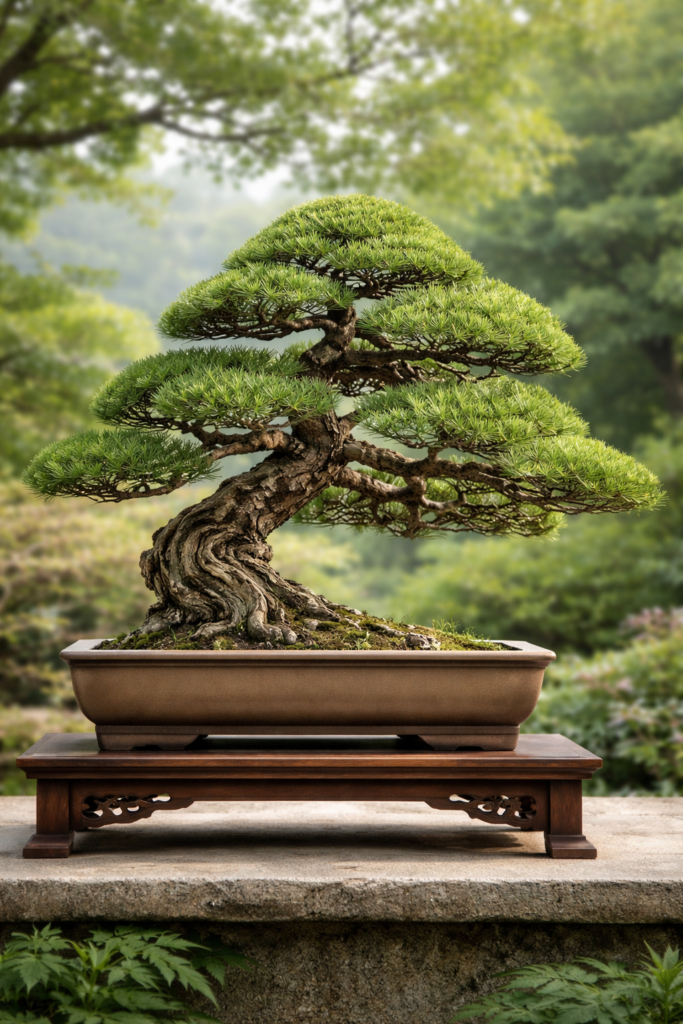
- Bonsai trees are generally small in size.
- Most bonsai trees grow to a height of 30 to 60 cm.
- Smaller bonsai trees below 25 cm are also highly preferred.
- Many bonsai trees are at least 10 years old.
- Rare and valuable bonsai specimens can be 100 to 200 years old.
- Such old trees are considered highly valuable and venerable bonsai specimens.
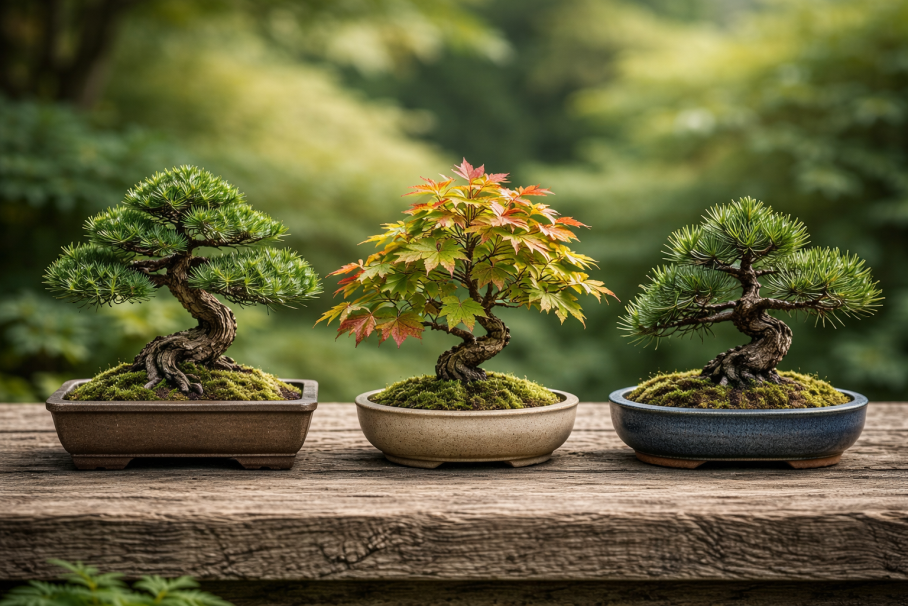
Bonsai Pots and Containers:
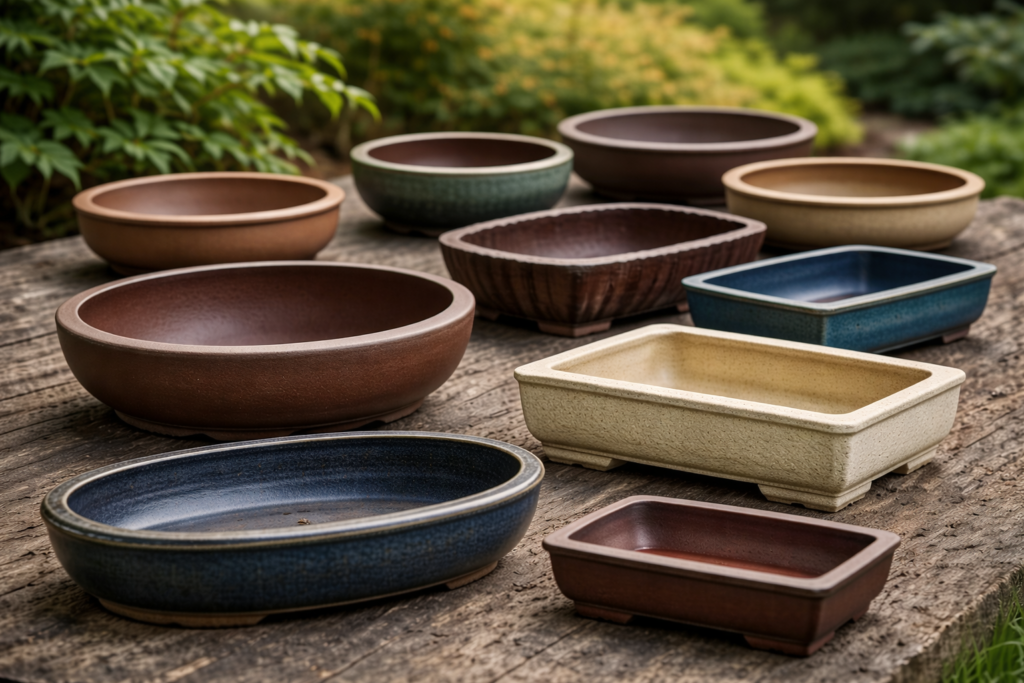
In bonsai cultivation, the pot is as important as the tree itself. The depth and width of the container play a crucial role in controlling growth and maintaining balance. Bonsai pots are usually shallow. Only certain types, such as Cascade bonsai, require deeper pots
Commonly preferred pot shapes include:
- Round
- Square
- Hexagonal
Pot colours vary based on personal preference and design harmony with the tree.
Plant Suitable for Bonsai: Plants that can tolerate restricted growth and pruning are best suited for bonsai.
Common bonsai trees include:
- Juniper
- Pine
- Elm
- Maple
- Cypress
These species are ideal because they can withstand controlled growth while maintaining a natural tree form.
Bonsai Training and Styling Methods:
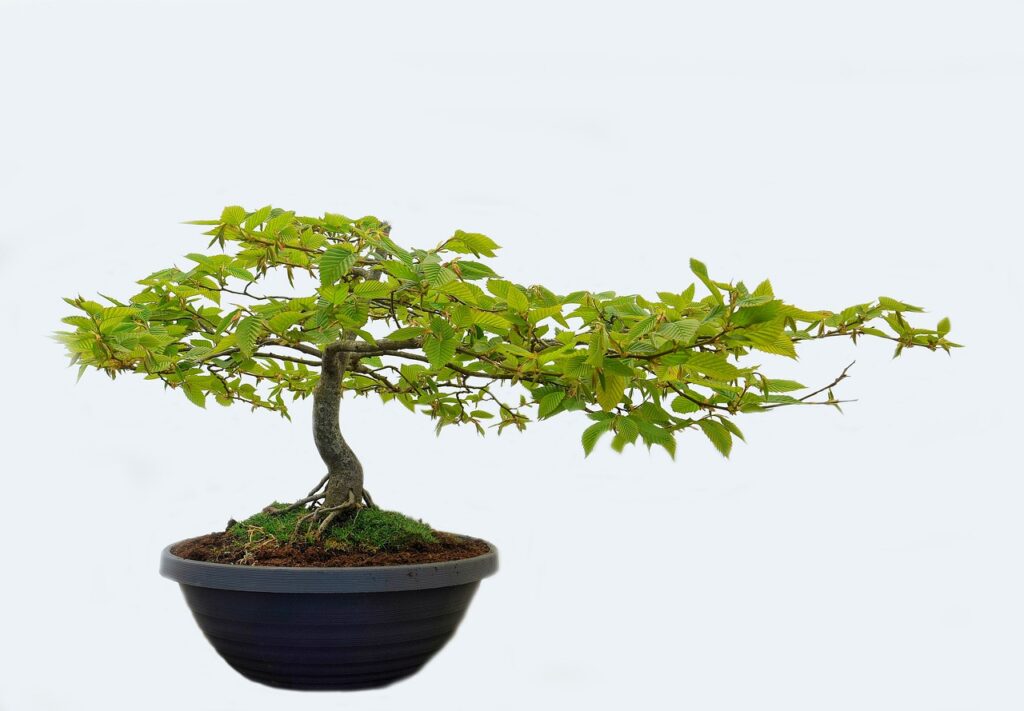
Bonsai trees are shaped using training techniques such as wiring and pruning. The trunk and branches are gently bent and shaped using strong wires. After a few months, once the desired shape is achieved, the wires are removed.
Bonsai trees can be trained into different styles, including:
- Upright
- Slanting
- S-shaped
- Semi-cascade
- Cascade
During the early stages of growth, branches and roots are pruned regularly. Pinching the tips and removing unwanted branches are essential to maintain the design.The role of the pot is very important in training. Every year, the tree is either reported or removed from the pot, the roots are pruned, and the tree is replanted in the same container.
Watering and Fertilizing Bonsai:
While bonsai styling depends on the grower’s creativity, watering and fertilizing should be done carefully, preferably with expert guidance.
Fertilizers are applied sparingly, usually once a week.Mild fertilizer solutions containing major and minor nutrients are recommended.Natural supplements such as oil-cake extracts may also be used.
Watering depends on the pot size:
Shallow pots: water twice a day. Deeper pots: water once a day, Only the required amount of moisture should be provided.
Selection of Plants for Bonsai:
Many bonsai beginners make mistakes when selecting plants due to excitement and lack of guidance. Choosing the right plant is an important first step in bonsai cultivation.Woody and hardened plants are ideal. Plants that have grown under harsh conditions make a strong starting point
Suitable plants can be collected from:
- Rock crevices
- Old building walls
- Nursery-grown older plants
- Cuttings, grafted plants, or air-layered plants.
Proper plant selection reduces future problems and helps beginners succeed.
DrBonsaiCare Vision:
At DrBonsaiCare, we believe bonsai is more than a small tree in a pot.
It is a quiet teacher of life.
When we care for a bonsai, we slowly learn patience, kindness, and responsibility.
Daily care builds gentle habits, and gentle habits grow into good character.
Through bonsai, we learn to respect time, understand nature, and live with balance.
A bonsai does not rush — and it teaches us not to rush either.
Our vision is simple: Grow healthy trees, and grow better people along with them.
A Modern Thought from a Plant Lover:
For many plant lovers, a bonsai feels like an AI baby of nature — not a machine, but a living creation shaped by human care.
Just as technology is guided step by step, a bonsai is guided slowly with patience, love, and responsibility.
Every cut, every wire, and every decision is made with thought and care.
That is why bonsai feels personal, almost like a living creation that grows under human guidance.
Conclusion:
Bonsai is a living art that combines nature, patience, and creativity.
It is not about forcing a plant to stay small, but about guiding its growth with care and understanding.
With the right plant, proper techniques, and consistent care, anyone can begin their bonsai journey.
Bonsai is not just grown — it is shaped, observed, and respected.