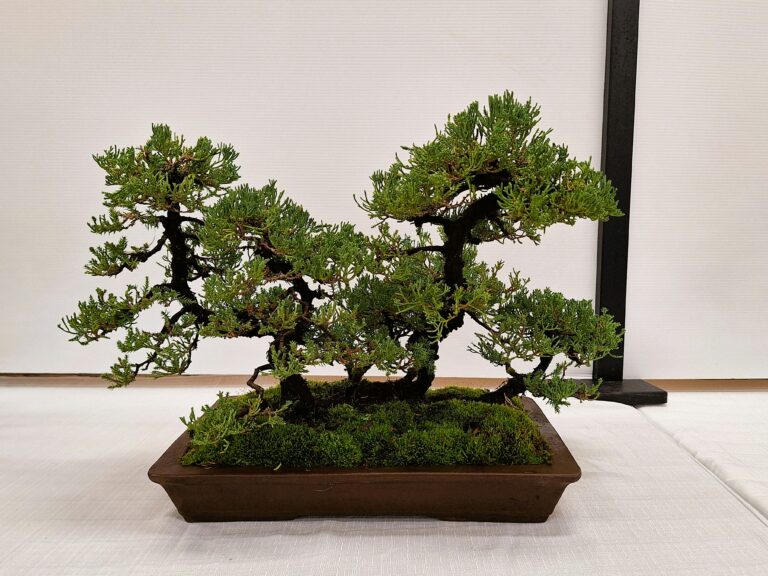
Bonsai Care Basics for Beginners
If you are a beginner in bonsai, remember that the bonsai you own is also at a beginner stage. Just like a mother gently cares for her child—feeding, protecting, and guiding—you must care for your bonsai with patience and attention.
When you understand this relationship, you will naturally take better care of your bonsai. Bonsai is an art, and caring for a bonsai is also an art that grows with time and experience.
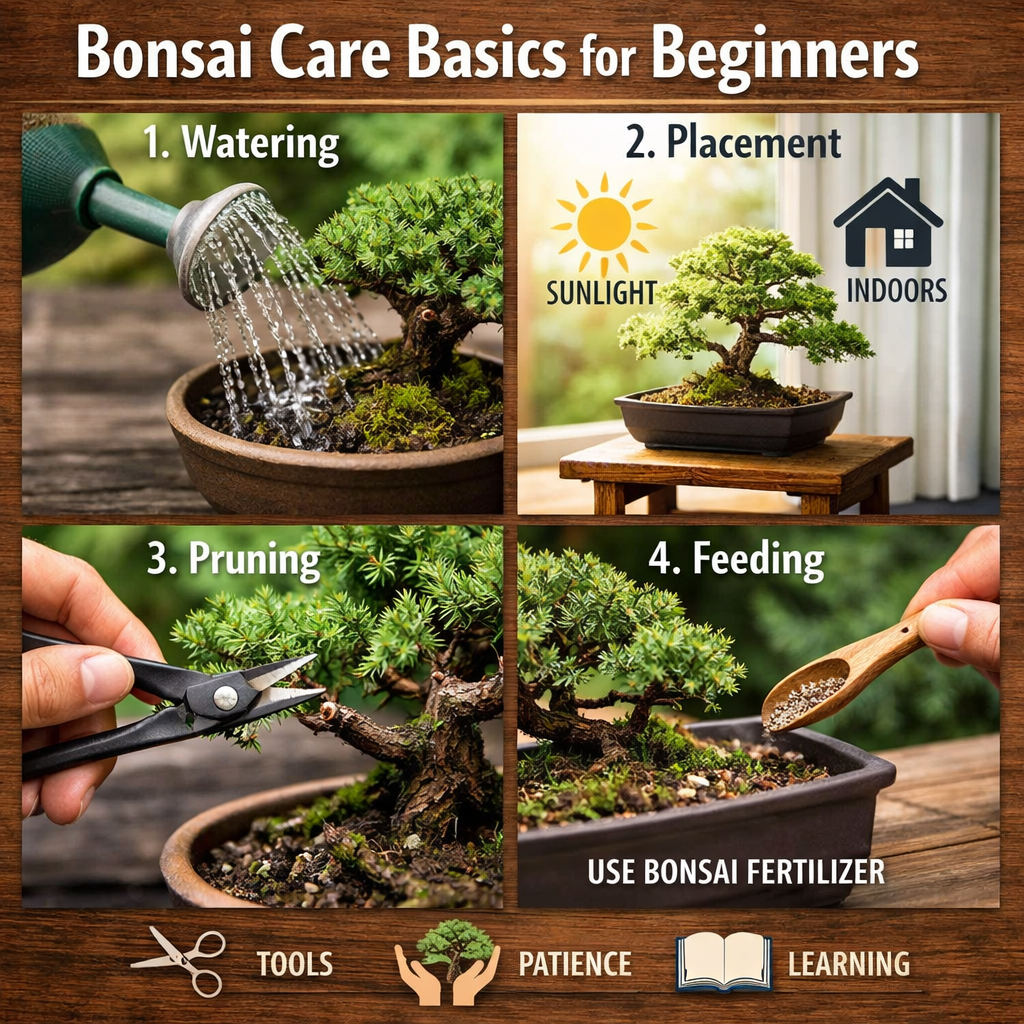
Watering Basics for Bonsai (Beginner Level):
Proper watering is one of the most important aspects of bonsai care. Water should be given in a way that reaches the entire root system, not just the surface of the soil. Simply spraying water on the top or lightly misting the plant is not sufficient.
Water must penetrate the soil fully so that it reaches the roots properly. Good drainage is essential in bonsai pots. If excess water cannot escape, there is a high risk of root rot. While watering, make sure that the entire soil is evenly moistened, not just the top layer. Dry patches inside the pot can negatively affect the health of the roots.
Overwatering and Underwatering (Beginner Basics):
Both overwatering and underwatering can harm a bonsai tree. Giving too much water can cause the roots to rot, while giving too little water can dry out the roots and weaken the plant. There is no fixed watering schedule for bonsai. How often a bonsai needs water depends on factors like the type of tree, pot size, soil, weather, and season.
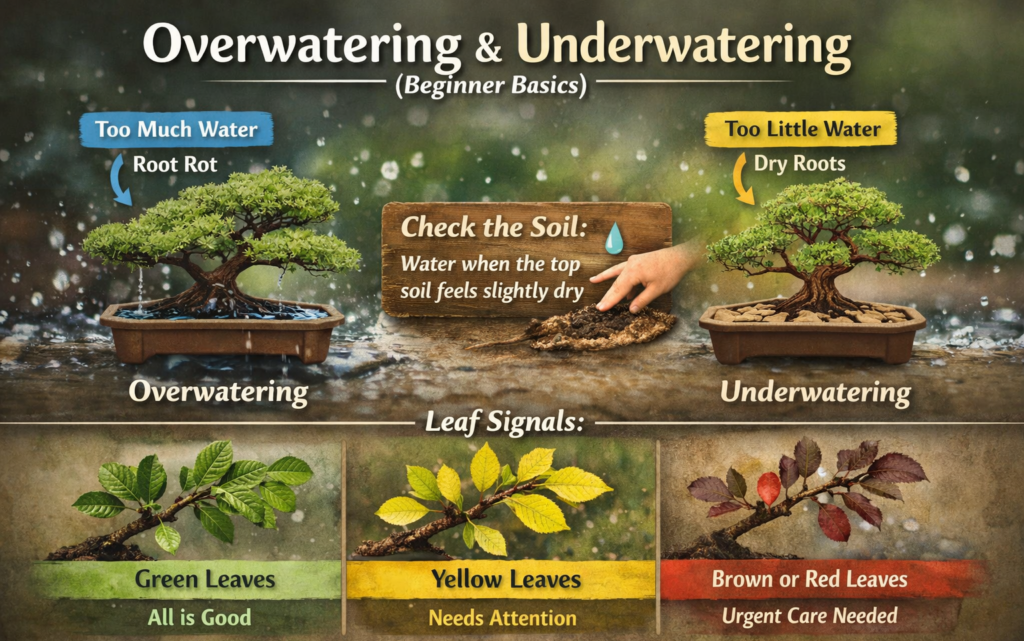
A simple beginner rule is to check the soil before watering. When the top layer of soil feels slightly dry, it is usually time to water. The goal is to keep the soil moist, not constantly wet or completely dry. Observing your bonsai regularly is the best way to avoid both overwatering and underwatering.
- Green leaves mean everything is fine.
- Yellow leaves mean something is wrong and needs attention.
- Brown or red leaves mean the plant is in danger and needs urgent care.
Sunlight Requirements:
Keep in Mind: “Bonsai trees are also need sunlight for photosynthesis, which is essential for healthy growth”
Both indoor and outdoor bonsai need sunlight, but indoor bonsai need more attention. Outdoor bonsai usually receive natural sunlight directly from the sun, so they require less monitoring for light.
Indoor bonsai are different. Because they live inside homes, they depend completely on the care of plant lovers. It is important to check daily whether the plant is getting enough sunlight through a window or balcony. To help the tree grow evenly, it is a good habit to rotate the bonsai once a week, so all sides receive light. Even in winter, bonsai trees continue to grow, although at a slower rate. Regular sunlight helps maintain balanced growth throughout the year.
At the same time, avoid excessive direct sunlight and keep an eye on the soil’s humidity. With proper light and care, indoor bonsai can thrive even during the driest months.
Soil and Drainage (Overview):
Soil plays a very important role in bonsai care. Bonsai soil should drain well, allowing excess water to flow out easily while still holding enough moisture for the roots. Bonsai soil is different from normal garden soil. Garden soil is usually too heavy and can hold too much water, which may cause root problems in bonsai trees.
Drainage holes in the pot are essential for healthy bonsai growth. They allow extra water to escape and prevent water from staying at the bottom of the pot, which helps protect the roots from rotting. Good soil and proper drainage work together to keep the roots healthy and the bonsai strong.
Fertilizing Basics:
Bonsai trees need less fertilizer compared to normal garden plants. Because bonsai grow in small pots, too much fertilizer can easily harm the roots. Using a weak or diluted fertilizer is always better for beginners. It provides the necessary nutrients without stressing the plant.
Applying too much fertilizer is harmful and can cause leaf burn, weak growth, or even root damage. In bonsai care, feeding less is safer than feeding more.
Common Beginner Mistakes:
In bonsai care, knowing what not to do is just as important as knowing what to do. Many bonsai problems are caused by small but common mistakes.
- Overwatering is one of the most frequent issues and can lead to root rot.
- Lack of sunlight can weaken the tree and slow its growth.
- Giving too much care, such as constant pruning or watering, can stress the plant.
- Changing the plant’s place frequently can also confuse the tree and affect its health.
Avoiding these mistakes helps keep your bonsai healthy and stable.
Simple Care Tips for Beginners:
The best way to care for a bonsai is to observe the tree daily. Small changes in leaves or soil can tell you what the plant needs. Be patient, as bonsai growth takes time. Start with simple care routines and easy tree species.
- Most importantly, learn slowly.
- Bonsai is a journey, not a race.
Conclusion:
Caring for a bonsai does not have to be complicated. With basic understanding, regular observation, and gentle care, anyone can grow a healthy bonsai tree. Remember that bonsai is a slow and peaceful art. Be patient, learn from your plant, and enjoy the process. With time and experience, your bonsai will grow not just in shape, but in beauty and character.
DrBonsaiCare Vision:
“Bonsai is an art, not just a plant; caring for a bonsai is also an art, not a duty”